
AI in our everyday working lives: Making the most of the opportunities, protecting our data
Whether you’re writing emails, translating texts or analysing spreadsheets, artificial intelligence is now an integral part of everyday working life for many people in Switzerland. As with any new tool, it is worth understanding its capabilities and limitations, and knowing what happens to the data you enter. After all, anyone who thoughtlessly enters personal, confidential or business information can easily end up oversharing with an AI tool.
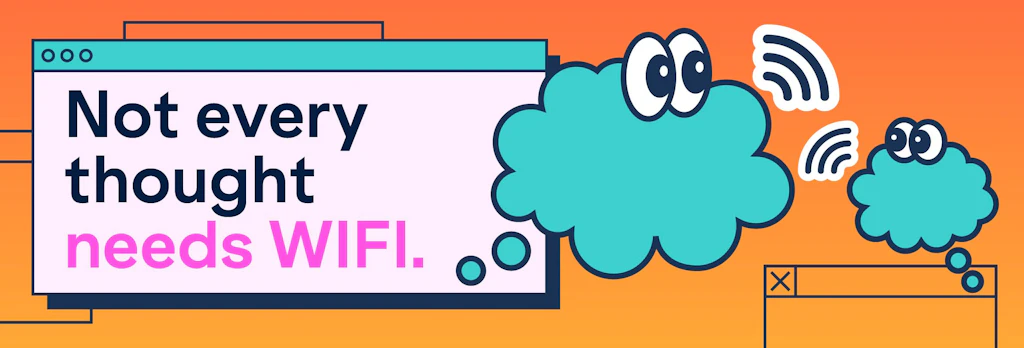
Anyone who enters their own or other people’s personal data into an AI tool for the sake of efficiency often reveals more than they realise. This is known as ‘oversharing’: the careless disclosure of information without being fully aware of the implications for data protection. In a professional context, this applies not only to one’s own data, but often also to personal data requiring special protection – such as that of customers, patients or staff – as well as trade secrets, know-how that should never actually leave the company.
In collaboration with the Federal Data Protection and Information Commissioner (FDPIC), the NCSC has therefore addressed key issues surrounding the use of AI in everyday working life and set out specific recommendations on how to avoid oversharing with AI tools in the workplace.
Here’s how to use AI tools more responsibly
- Examine AI-generated content with a critical eye.
- Before entering any information, check whether it contains any sensitive or personal data, such as personal details, customer data or trade secrets. Make sure you anonymise these.
- Where possible, use the business or enterprise version of your organisation’s AI tools rather than personal accounts.
- Be aware of when your data might be used for training purposes and when it is not. Make use of any opt-out options where available.
General and legal questions about AI
Are there any important questions that are still to be answered? Contact us.