Hot topics

25 August 2026

Week 34: Former medical practice and pharmacy websites used to promote dubious dietary supplements

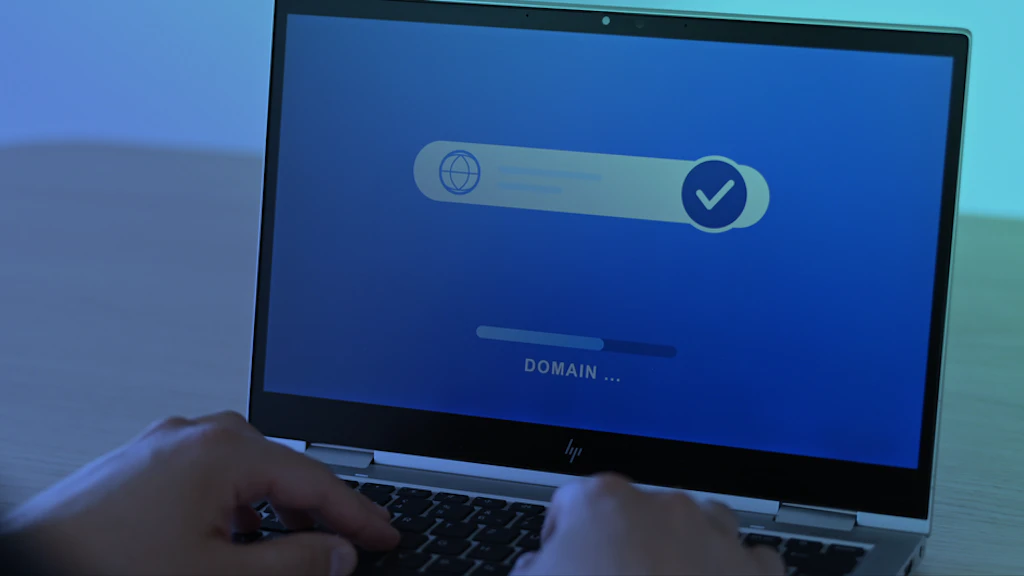
The NCSC has repeatedly warned of the consequences of allowing domains to expire or failing to pay registration fees on time. Recent reports show one way this problem is affecting websites formerly used by medical practices and pharmacies. In this week's review, the NCSC explains why domains in the healthcare sector are particularly affected.

24 August 2026

Mandatory caller ID is proving effective: Fraudulent calls made in the name of public authorities have fallen by over 75 per cent

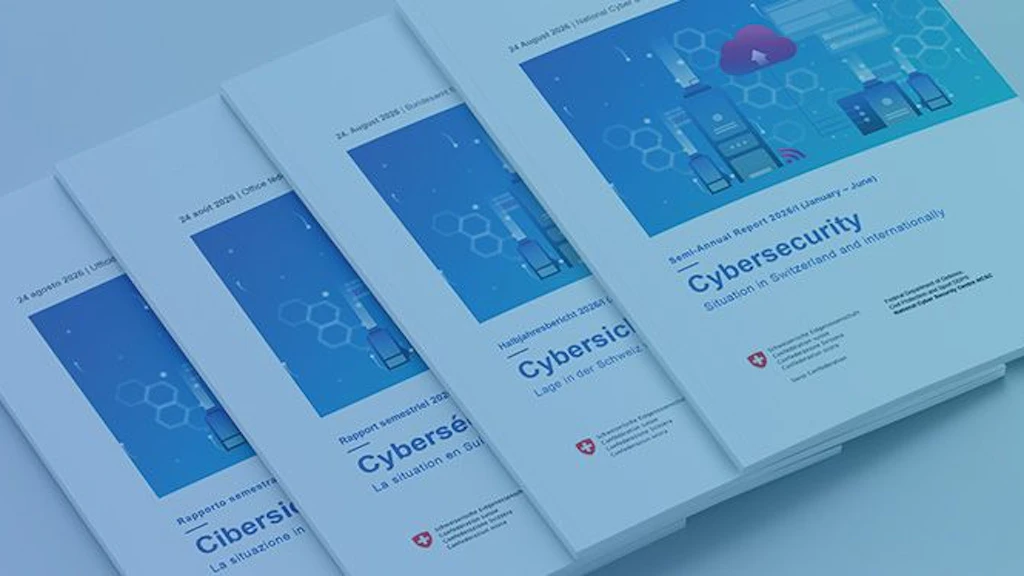
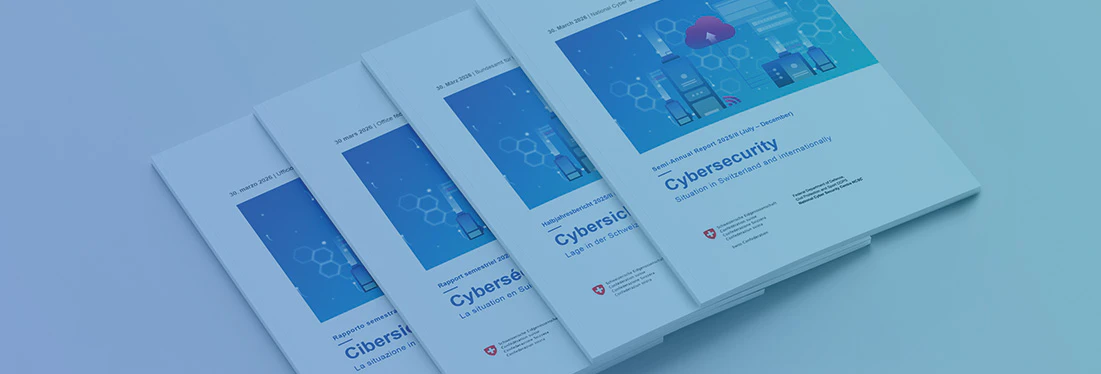
Measures to combat fraudulent calls made in the name of public authorities are proving effective. The number of reports fell by over 75 per cent in July following the extension of the mandatory caller ID requirement to calls from abroad that use spoofed Swiss numbers. Nevertheless, the threat of cybercrime remains high: in the first half of 2026, the National Cyber Security Centre (NCSC) received 27,128 voluntary reports and 200 mandatory reports of attacks on critical infrastructure. The latest NCSC semi-annual report also highlights how cybercriminals are using AI to carry out increasingly personalised attacks.

20 August 2026

New NCSC website

More modern and user-friendly: The NCSC website now features the Federal Administration’s new corporate design. While the familiar content and the basic navigation have been retained, greater prominence is now given to key information on protection against cyber incidents and the correct course of action in an emergency.

18 August 2026

Update on the SwissNovaChat notice

The NCSC is currently receiving numerous reports regarding invoices related to an alleged service provided by Swissnovachat, which are being collected through a debt collection agency (Letterdata). BACS recommends that individuals who have not used this service dispute the claim in writing and carefully retain all correspondence in case the claim is pursued further.

18 August 2026

Week 33: Crypto wallet phishing by post

The NCSC receives several reports of letters containing a QR code and instructing recipients to download an urgent update for their crypto wallets. However, scanning the QR code takes you to a phishing website where you are asked to enter your seed phrase. Anyone who discloses this phrase gives the attackers full control of their crypto wallet.

11 August 2026

Week 32: Test your AI knowledge

The NCSC's four-part summer series demonstrated just how capable today's AI models are, and how scammers are already using AI. Now it's your turn. Test your knowledge and see whether you can tell real photos from AI-generated images.

7 August 2026

Increase in compromised websites with fake CAPTCHAs

The NCSC is currently seeing an increase in compromised websites that use fake CAPTCHAs to trick people into running malicious commands and infecting their computers with malware. More than 100,000 websites worldwide are affected. The NCSC is also seeing an increase in the number of Swiss websites being compromised by cybercriminals and used to distribute malware.

4 August 2026

Week 31: What the future holds – Interaction in the age of AI

This final instalment of the NCSC's summer series focuses on AI-generated, interactive videos produced using existing images and audio recordings, and on future developments in this field. Artificial intelligence (AI) can quickly generate videos from still images. At present, around ten seconds of audio is needed to clone a voice convincingly.

31 July 2026

Phishing targeting crypto wallets: Letters with a QR code are currently in circulation

The NCSC has received several reports of letters containing a QR code and prompting recipients to download an urgent update for various crypto wallets. However, after scanning the QR code, recipients are redirected to a phishing website where they are asked to enter their recovery phrases. If these are disclosed, attackers can gain complete control over the crypto wallet in question and steal the assets it contains. Never disclose passwords or recovery phrases to third parties.

29 July 2026

Phishing emails regarding the E-Vignette

The NCSC receives currently reports of emails claiming that the E-Vignette has been deactivated due to a billing issue. The email links to a phishing site. The email lists the general NCSC email address. This email has not been sent by the NCSC. Please ignore it and delete it.

28 July 2026

Week 30: Current scams involving AI-generated images and videos

Deepfake interviews featuring public figures are often used to promote fraudulent investment opportunities. They can also be used for bullying or blackmail by depicting someone in a compromising situation. In this instalment of its four-part summer series, the NCSC looks at face swapping. With the help of AI, it is now possible to replace faces in seconds with little effort and deceptively realistic results.

21 July 2026

Week 29: Identifying AI-generated texts and websites

It is becoming increasingly difficult to identify text and websites that have been generated using artificial intelligence (AI). Reports to the NCSC involving emails and websites created with the help of AI continue to increase. As AI models keep improving, many of the warning signs that used to give them away are disappearing. That makes it all the more important to know what to look out for. In the second part of its summer series, the NCSC explains how to spot AI-generated texts and websites.

14 July 2026

Week 28: Detecting AI-generated images today and in the future

Artificial intelligence has long been part of everyday life and is increasingly being used in scams too. Deceptively realistic emails, professionally designed websites and AI-generated images can now be created in just a few minutes. In this year's summer series, the NCSC will explain how scammers use AI-generated images and how to recognise fakes.

7 July 2026

Week 27: Safe travels – Cybersecurity tips for the holiday season

The holiday season is also peak time for cybercriminals. Fake booking platforms, fraudulent ticket websites and stolen smartphones can quickly turn a planned break into a major source of stress. However, a few simple precautions can significantly reduce the risks.

30 June 2026

Week 26: When updates become traps - Malware spreads through fake Zoom invitations

In recent weeks, the National Cyber Security Centre (NCSC) has received reports of a scam in which cybercriminals exploit people's trust in video conferencing platforms. Victims are sent invitations to fake Zoom meetings and prompted to download a supposedly necessary update, which in reality contains malware or a remote access tool. Similar scams following the same pattern have also been observed internationally for Microsoft Teams and Google Meet.

26 June 2026

Cyber Resilience Assessment (CyRA): How resilient are Swiss communes and companies to cyberattacks?

The National Cyber Security Centre (NCSC) has developed a standardised tool for assessing cyber resilience and tested it under real-world conditions for the first time in the canton of Aargau. The results show that basic protective IT measures have been put in place, but many organisations still lack a holistic, process-oriented resilience strategy.

23 June 2026

Week 25: Fake voice messages spread malware and target login details

Last week, the NCSC received a higher than usual number of reports about a scam involving fake voicemail messages sent via email. The scammers imitate the design of well-known Microsoft services, aiming either to lure victims to phishing sites or to trick them into installing malware.

17 June 2026

The Cyber Security Forum – Industry and Trade

Cyberattacks targeting supply chains and retail business are increasingly posing a risk in Switzerland. The industry and trade sector is particularly vulnerable owing to its heavy reliance on digital systems and the tight integration of those systems. This means that disruptions to supply chains, logistics or payment systems can have far-reaching consequences. To foster the exchange of information and promote resilience within the sector, the National Cyber Security Centre (NCSC) and Markant AG jointly hosted the Cyber Security Forum – Industry and Trade on 16 June 2026.

16 June 2026

Week 24: Phishing in the letterbox – Fake QR codes on collection notices

Last week, the NCSC received a report of a sophisticated scam combining a physical document and digital phishing techniques. Scammers place fake Swiss Post collection notes, known as “Avis de passage”, in people's letterboxes.

12 June 2026

"Cyber Europe 2026" exercise: Switzerland tests its cyber resilience in the rail and maritime sectors

On 10 and 11 June 2026, Switzerland took part in “Cyber Europe 2026”, the largest European cybersecurity exercise organised by the European Union Agency for Cybersecurity (ENISA). This year’s edition focused on cyber incident response in the rail and maritime sectors. Under the leadership of the National Cyber Security Centre (NCSC), various national authorities as well as operators of critical infrastructure were involved in the exercise.

9 June 2026

Week 23: Job seekers in the crosshairs – phishing, scams and malware in the application process

Job seekers are increasingly being targeted by cybercriminals. The hope of landing a new job, along with the associated willingness to react quickly and engage with unfamiliar procedures, lowers vigilance. Attackers exploit this systematically, deploying their entire arsenal – from phishing and classic scams to the distribution of malware.

3 June 2026

Focus on SMEs: How to detect and defend against cyber attacks

Cyber attacks are no longer limited to large corporations. Small and medium-sized enterprises (SMEs) are increasingly becoming the target of phishing, ransomware and social engineering. At the same time, they often lack the time, resources or guidance needed to tackle IT security in a structured manner. To help SMEs get started with cyber security, the NCSC, ITSec4KMU and the SIA organised an awareness-raising event on 2 june 2026. The NCSC will also be hosting two online brown-bag lunches for Swiss SMEs on 2 and 9 September 2026 to present the emergency response model and the associated tools.

2 June 2026

Week 22: Targeted phishing campaign impersonating booking platforms and hotels

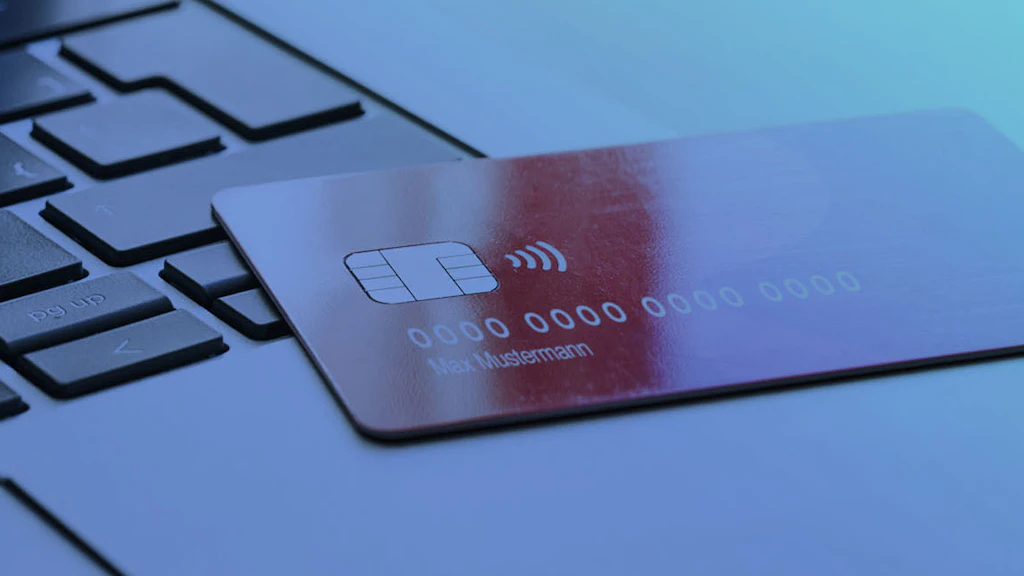
The NCSC has noted an uptick in reports of fraudulent WhatsApp messages relating to hotel bookings. The perpetrators are using particularly sophisticated and highly convincing scams to obtain credit card details from their victims.

1 June 2026

Cyber resilience during major events and international conferences

Large-scale events and international conferences are often used as an opportunity to stage a cyberattack. The National Cyber Security Centre (NCSC) therefore expects disruptive maneuvers in cyberspace again in the context of the the G7 summit, organised by France, which will take place from 15 to 17 June 2026 in Évian. In order to minimise cyber risks for organisations involved in such events, it is important to have broad-based protective measures in place. The NCSC has published recommendations on such protective measures.

28 May 2026

Technology brief on the secure distributed processing of information requiring protection

Companies hold large amounts of information that must be protected to ensure that it remains confidential, unchanged and available at all times. While there are good solutions for storage and transmission, protecting information during processing can be challenging, particularly when several parties are working together, such as on digital platforms. This technology brief sets out the requirements for the secure distributed processing of information requiring protection, proposes a suitable target architecture, and provides recommendations for related development and procurement projects.

26 May 2026

Week 21: Fake competition – Hackers hijack WhatsApp accounts with a voting scam

The NCSC has identified a sophisticated scam involving cybercriminals taking over WhatsApp accounts. Victims receive a message that appears to be from someone they know, asking them to vote for their child in a competition. Anyone who follows the link and unsuspectingly enters a verification code or scans the QR code on the scam website immediately loses access to their WhatsApp account. This week's review explains how to prevent this kind of attack and how to recover your WhatsApp account if it has been hacked.

20 May 2026

Progress in strengthening cybersecurity

Switzerland is making progress in strengthening cybersecurity. The latest report on the implementation of the National Cyberstrategy (NCS) documents the status of work in 2025 and shows that projects are moving forward. The report also sets out the measures being taken in response to the growing importance of artificial intelligence (AI) in the field of cybersecurity. The Federal Council was informed of the report at its meeting on 20 May 2026.

19 May 2026

Week 20: When the hype becomes a trap – Ticket scams around the World Cup and other major events

The Ice Hockey World Championship has just begun, and the FIFA World Cup is already on the horizon. But fans are not the only ones looking forward to major events like these – scammers also see them as an opportunity to deceive supporters and make money. Last week, the NCSC received several reports of websites linked to the FIFA World Cup that copied official ticket outlets. But criminals also exploit opportunities outside major events to deceive people looking for tickets.

18 May 2026

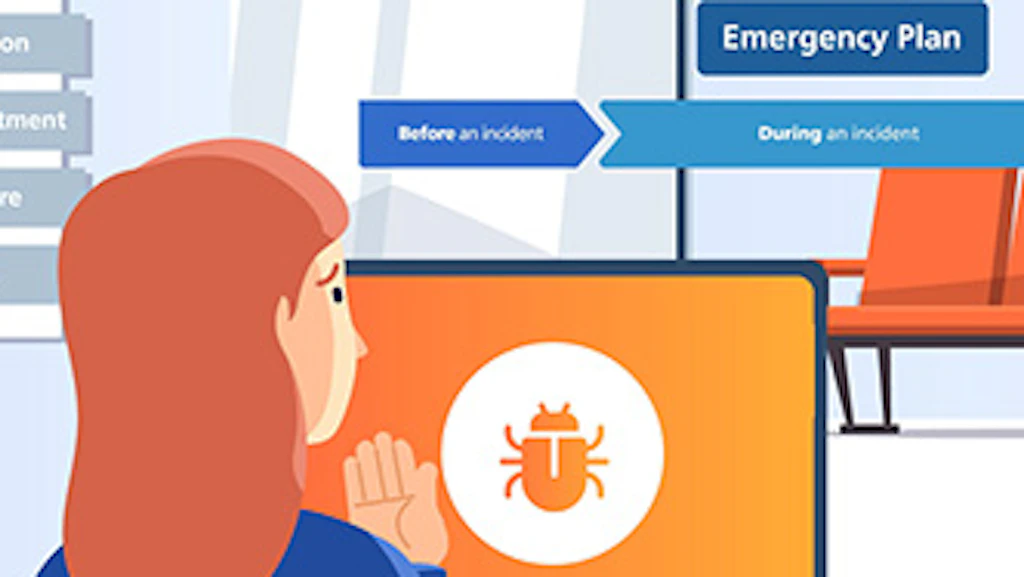
Staying safe through a crisis: Emergency planning is the key to cyber resilience

The National Cyber Security Centre (NCSC) supports companies and organisations in Switzerland in strengthening their cyber resilience in a targeted and efficient way. The NCSC already offers resources to help Swiss communes draw up emergency plans. It has now adapted these resources for small and medium-sized enterprises (SMEs) and is making them available in a dedicated SME version. The NCSC will host two online brownbag lunch sessions for Swiss SMEs on 2 and 9 September to present the contents of the emergency planning model and the associated resources. The emergency plan will also be presented at an awareness event organised by ITSec4KMU. The event will take place on 2 June 2026.

12 May 2026

Week 19: Advance-fee scams – An old trick that keeps reinventing itself

Whether it's an inheritance, a lottery win or a generous donation, you're told that all you need to do to access the promised money is pay a few fees in advance. What may sound tempting at first turns out, on closer inspection, to be a classic advance-fee scam. This scam is nothing new. Criminals have been deceiving their victims in this way for centuries. The reason it is still successful today is largely due to its constant adaptability. Scammers repeatedly draw on current topics and events to make their stories seem credible. Currently, cybercriminals are deliberately exploiting geopolitical crises to create an impression of legitimacy, build trust, and ultimately scam people out of money.

7 May 2026

When a promise of easy money turns into an advance-fee scam

Wouldn’t it be nice to come into a large sum of money without any effort? This is the hope that criminals exploit in advance-fee scams promising fake inheritances. What begins as a surprising opportunity, however, does not end in a payout, but in a constant stream of demands for fees, taxes or supposed costs – all for a promised fortune that does not actually exist.

5 May 2026

Week 18: Parcel phishing with a devious twist – The "double phishing" scam

Over the past week, the National Cyber Security Centre (NCSC) has received a spike in reports about fraudulent messages purporting to be from well-known parcel delivery companies such as Swiss Post, DHL and DPD. A particularly devious development is now emerging: "double phishing", where scammers follow up the initial data theft with a phone call.

1 May 2026

Use of AI in vulnerability management – NCSC assessment

Use of AI is the subject of intense debate among experts. The National Cyber Security Centre (NCSC) is receiving a growing number of enquiries on this topic from administrative bodies, the business sector and the public. For this reason, the NCSC has summarised its assessment of the use of AI in vulnerability management.

30 April 2026

Parcel link fraud: When CHF 1.99 turns into an expensive trap

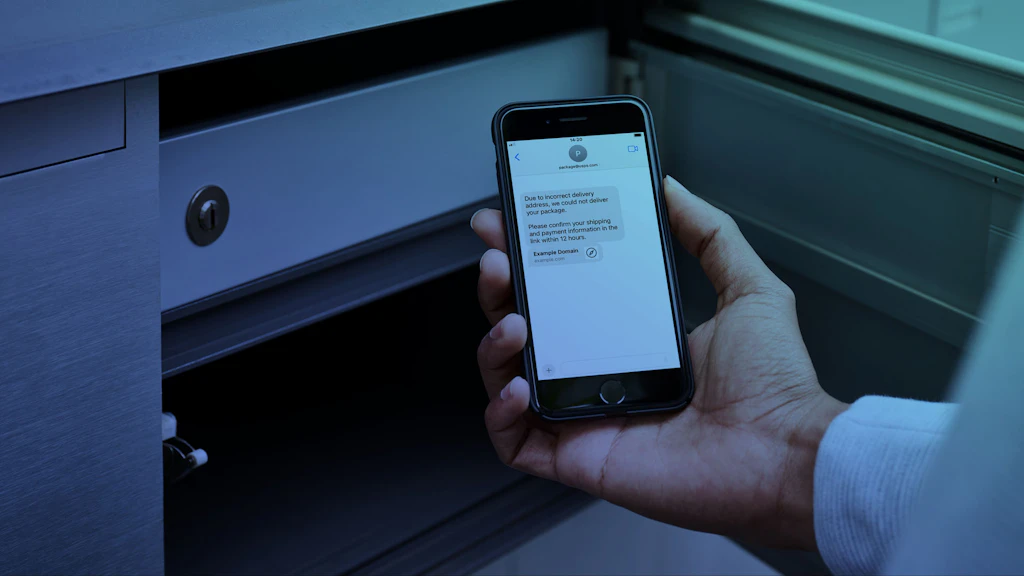
Although we often recognise and delete phishing or scam messages these days, parcel fraud is still successful. Parcel notifications seem believable because we all encounter delivery problems in everyday life, and all the message asks you to do is click on a link for further information. However, if you follow the link, you will end up on a fraudulent website that asks for your credit card details or tricks you into signing up for a subscription. Due to the growing use of delivery services, it is becoming more and more difficult to distinguish a genuine delivery issue from a fake one.

28 April 2026

Week 17: "Hi Mum, my phone is broken" – Scammers are increasingly using iMessage

The National Cyber Security Centre (NCSC) has once again received a high volume of reports concerning "Hi Mum/Dad" scams. A notable trend this week is that scammers are almost exclusively using Apple's iMessage service to contact people. They often use foreign country codes or iCloud email addresses, and in some cases they even write in Swiss German.

23 April 2026

"Stay safe online and offline" – Raising awareness at the 2026 BEA spring fair

The National Cyber Security Centre (NCSC) will be hosting an interactive exhibition at the BEA spring fair in Bern between 24 April and 3 May to raise public awareness of cybersecurity. Working alongside Swiss Crime Prevention (SCP), the Swiss Federal Railways (SBB), Swiss Post, the Lucerne University of Applied Sciences and Arts (eBanking but secure!) and Netpathie, the NCSC will demonstrate the reality of digital threats and how simple measures can provide effective protection.

21 April 2026

Week 16: One password for multiple accounts – a big risk

The NCSC regularly receives reports from people whose online accounts have been hacked, even though they’ve never shared their passwords. What many people don’t realise is that often, a single compromised password is enough to put not just one, but multiple accounts at risk. Anyone who uses the same password for different online services makes it possible for cybercriminals to trigger a whole chain reaction with a single successful attack. The consequences are particularly serious if further accounts can be reset and taken over via the "Reset password" function.

20 April 2026

When one password puts multiple accounts at risk

Strong and complex passwords are key when it comes to protecting access to online services. However, they are often difficult to remember. For this precise reason, many people use the same password for several accounts or create passwords based on a recurring pattern. Both of these approaches significantly reduce security, and the danger of reusing passwords is often underestimated.

14 April 2026

Week 15: Fake bank employees are asking customers to install remote maintenance software

The NCSC has recorded an increase in reports of fraudulent phone calls, known as voice phishing or "vishing". Criminals call people on the phone posing as employees of well-known Swiss banks supposedly to stop alleged incorrect transactions. However, OFCOM has also recently been misused in connection with this type of fraud. The perpetrators’ insidious aim is to convince victims to install remote access software such as "AnyDesk", which then allows the fraudsters to gain full control of the computer.

13 April 2026

Online banking phishing: When a call from your "bank" is a trap

Almost every day, phishing or fraud attempts pop up in our inboxes or on our smartphones. Often, we recognise these criminal communications and delete them. However, when it comes to online banking in particular, a believably worded phone call, a seemingly official phone number or an SMS containing a verification code is frequently enough for fraudsters to gain access to sensitive data. Situations like these pose considerable risks. This year’s S-U-P-E-R.ch national awareness campaign, "SUPER, right?", reminds us that we should always check whether information is credible and stick to established cybersecurity strategies.

9 April 2026

"SUPER, right?" – Launch of the 2026 national cybersecurity awareness campaign

Phishing and scam attempts are widespread, and many are identified early enough for people to take the necessary cybersecurity measures. But it is becoming increasingly difficult to tell fraudulent messages from genuine ones. Scammers are increasingly using AI to personalise their messages, making them appear more convincing than ever. This is precisely what the new cybersecurity awareness campaign highlights under the slogan "SUPER, right?". From 13 April to 10 May, the National Cyber Security Centre (NCSC), Swiss Crime Prevention (SCP), the cantonal and city police forces, Swiss Federal Railways (SBB), Swiss Post and the Swiss Insurance Association (SIA) are launching another edition of the national "S-U-P-E-R.ch" campaign to raise awareness of the importance of cybersecurity.

7 April 2026

Week 14: The Evolving "Romance Scam" – Using AI to Create the Perfect Deception

Romance scams can result in significant financial losses and often put those affected under intense emotional pressure. Scammers create fake profiles on social media platforms and dating sites, with the aim of persuading people to send them money. They are increasingly using AI-generated images to make their stories more convincing. In one case reported to the NCSC, a supposed medical emergency was deliberately used to create pressure. This shows that scammers are now using artificial intelligence across a wide range of scam types.

6 April 2026

Warning regarding SwissNovaChat / SwissNovaCare

The NCSC is currently receiving numerous reports regarding the websites swissnovachat.ch and swissnovacare.com. There may be other similar websites. These are operated by entities whose business model involves sending invoices even though no subscription exists. The legal notice lists “Margot Brands Ltd” from Hong Kong. Ignore such messages, do not click on any links they contain, and do not make any payments.

31 March 2026

Week 13: Phishing emails target first-time sellers on classifieds platforms

Last week, Cybercrimepolice.ch reported that scammers are currently specifically targeting listings on online marketplaces. In this context, the NCSC has observed another, previously little-known scam: people listing an item on Ricardo for the first time are being targeted with highly convincing phishing emails. The messages feature the platform's official logo, are well written, and appear to be a legitimate security measure from Ricardo. Anyone unfamiliar with the platform is unlikely to recognise the scam at first glance.

30 March 2026

Cyberthreat level remains high – attacks becoming more targeted and complex

The semi-annual report published today by the National Cyber Security Centre (NCSC) outlines the relevant incidents and developments relating to cyberthreats against Switzerland and internationally in the second half of 2025. Alongside voluntary reports of cyber incidents, the report presents reportable cyberattacks against critical infrastructure for the first time. Such attacks have been mandatory reporting requirements since 1 April 2025. Although the number of voluntary reports has remained stable at a high level, the nature of these incidents is evolving and becoming more targeted. Effective protection requires close cooperation between government, businesses and society at both national and international levels.

27 March 2026

RSAC 2026 Conference focuses on international cooperation

The increasingly challenging geopolitical climate is making itself felt in cyberspace too, which makes international dialogue and close cooperation all the more crucial. At the RSAC 2026 Conference in San Francisco, Florian Schütz joined representatives from over 45 countries to tackle key issues relating to AI, regulation and global cooperation.

24 March 2026

Week 12: Fake job offers on websites posing as Swiss companies

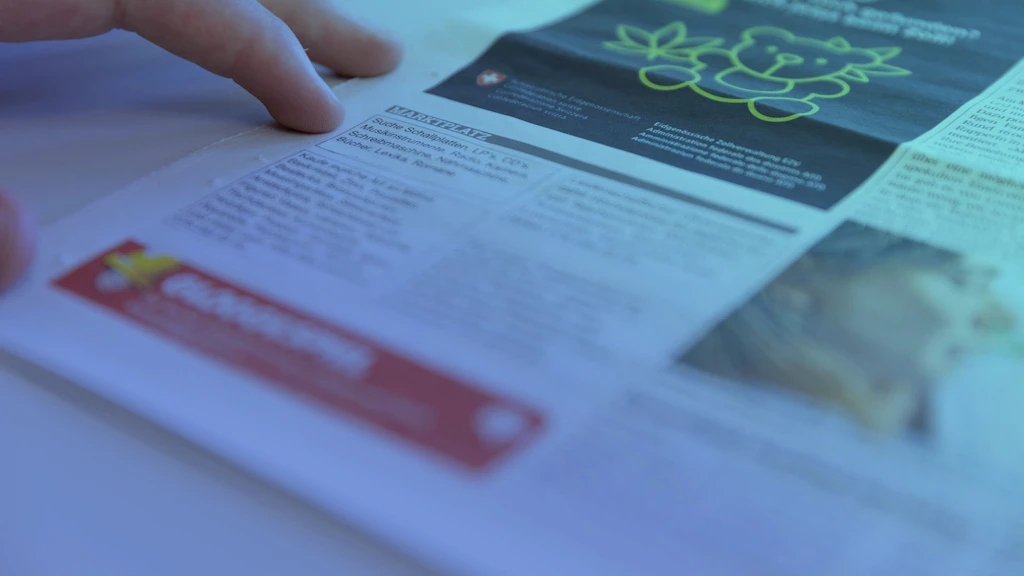
Fraudulent job offers come in many different forms and levels of sophistication. A few years ago, scammers mainly targeted people looking for work in the hospitality sector. In these cases, applicants were asked to pay fictitious health insurance contributions upfront. This was followed by job offers involving fake platforms, where people were asked to complete tasks for a fee – but ended up paying more than they earned. In the latest version, scammers no longer just invent Swiss companies. They also copy real ones. In these cases, the job advertisements are even placed in newspapers.

23 March 2026

NCSC Director Florian Schütz at the RSAC Conference in San Francisco

Florian Schütz, Director of the National Cyber Security Centre (NCSC), will be attending the RSAC Conference in San Francisco from 23 to 26 March 2026. This leading global event in the field of IT and cybersecurity brings together representatives from industry, science, and public administration. During the conference, Mr Schütz will participate in various panels and hold bilateral talks with representatives from industry and international organisations.

17 March 2026

Week 11: Attackers try to trick companies – and the NCSC

The NCSC is receiving an increasing number of reports from companies that have received suspicious invoices by email. These emails contain a ZIP attachment, which contains an HTML file. At first glance, the invoice shown in the file appears completely harmless: There are no links, no unusual elements and no obvious signs of malicious software. But this impression is misleading. The latest weekly review reveals the considerable effort attackers invest in disguising their attacks and building trust.

10 March 2026

Week 10: Old scams in new guise

Scammers are constantly adapting their methods in an attempt to deceive people online. In the past week, the NCSC received reports of two new scams that build on existing schemes or combine different approaches.

3 March 2026

Week 9: When old domain names fall into the wrong hands

The NCSC regularly receives reports from companies or associations whose abandoned websites have suddenly reappeared online. The content varies: sometimes, the original website is replicated almost identically, while in other cases, the reactivated website hosts pornographic material or dubious offers. What was behind these cases?

28 February 2026

Blackmail emails in circulation

The NCSC is currently receiving reports of emails in which blackmailers claim to be in possession of credit card details, driving licence details, social security numbers and other data. They threaten to sell this information on the dark web. The emails often appear to come from the recipient's own address. However, this is not the case. The sender address is fake. The email is a bluff. Ignore it and do not be intimidated.

24 February 2026

Week 8: "ClickFix" – When a supposed fix or verification installs malware

The NCSC is currently seeing a rise in reports involving the "ClickFix" infection method. In these cases, people are misled by fake technical problems into manually inserting and running malicious code via their computer's command line. This approach bypasses technical security measures by effectively authorising the infection of their own systems.

18 February 2026

Better protection for critical infrastructure in Switzerland

The Federal Council plans to strengthen protections for Switzerland's critical infrastructure against all types of failure. This includes better safeguards against cyberattacks and manipulation for the most important electronic data held by the federal government, the cantons and operators of critical infrastructure. At its meeting on 18 February, the Federal Council decided to press ahead with draft legislation to improve the resilience and data security of critical infrastructure, responding to two motions referred to it by Parliament.

17 February 2026

Week 7: Scammers at your door

For months, calls claiming to be from public authorities have been among the most frequently reported cases to the NCSC. In most cases, the scammers pose as police officers. More recently, scammers have taken this a step further and are now also posing as employees of the NCSC itself. While earlier scams typically focused on obtaining access credentials or financial information directly, current cases combine psychological pressure with technical measures. They may involve remote access to a computer or smartphone, and can even culminate in the scammers appearing in person at the victim’s home.

16 February 2026

National Cyber Security Centre Annual Report 2025: Consolidated structures, stronger impact

The National Cyber Security Centre (NCSC) reflects on a year of consolidation and of strengthening its operational capabilities. A significant milestone was reached in 2025 with the introduction of the reporting obligation for cyberattacks on critical infrastructure. The annual report published today provides an overview of the NCSC's activities and highlights key developments, demonstrating how the NCSC contributes to strengthening cybersecurity in Switzerland.

13 February 2026

Florian Schütz at international cybersecurity conference in Munich

The director of the National Cyber Security Centre, Florian Schütz, took part in several high-level international meetings and panel discussions at the Munich Cyber Security Conference (MCSC) and the Munich Security Conference (MSC). The focus was on strategic cybersecurity issues and strengthening international cooperation.

10 February 2026

Week 6: Subscription bombing – When your inbox is under attack

Over the past week, the NCSC has received an increasing number of reports about subscription bombing: A phenomenon that may look like massive spam at first glance, but is in fact a targeted distraction tactic used by cybercriminals.

3 February 2026

Week 5: Global SharePoint phishing wave – Switzerland also affected

Over the past few weeks, the NCSC has received reports of emails claiming that the sender has shared a file via Microsoft SharePoint. The link provided really does lead to the legitimate SharePoint platform. This week's review explains the malicious intent behind these emails, the background to the scam, and its implications for users.

27 January 2026

Week 4: "Urgent money transfer" – CEO fraud remains a persistent threat to SMEs

CEO fraud is one of the types of fraud most frequently reported to the NCSC. Last year, the number of reported cases increased from 719 to 971, compared to the previous year. Reports received last week show that scammers are continuously refining their methods. They no longer rely solely on fake emails, but increasingly use psychological manipulation and artificial intelligence. This week’s review looks at how to recognise these subtle warning signs in everyday business.

21 January 2026

The NCSC and SIA put cybersecurity in the spotlight at Swissbau 2026

The 2026 edition of Swissbau, the construction and real estate industry trade fair in Basel from 20 to 23 January, the National Cyber Security Centre (NCSC) and the Swiss Society of Engineers and Architects (SIA) will be focusing on cyber risks in the construction and real estate industry. Various events will highlight the increasing threat posed by cyberattacks and provide companies with specific recommendations for action on cybersecurity along the supply chain.

20 January 2026

Week 3: When hackers use search engine optimisation

Many people think of search engines as reliable guides to the internet. The displayed results give the impression that the content has been verified and is relevant. Scammers exploit this trust. They deliberately manipulate search results to redirect users to fraudulent websites, often without the operators of the affected legitimate websites or their visitors noticing straight away.

16 January 2026

Cyber resilience in global dialogue: The NCSC at the WEF Annual Meeting 2026

This year, with Florian Schütz participating in the World Economic Forum (WEF) Annual Meeting, the NCSC is using this international platform to further engage with political, economic, and expert stakeholders on critical cybersecurity matters. To this end, the NCSC is organising a specialist event at the WEF Annual Meeting focusing on geopolitical developments, leadership roles in key technologies, and digital sovereignty. As in previous years, the NCSC is also supporting the WEF organisation in protecting cyberspace.

13 January 2026

Week 2: Identity theft on social media – What to do when your best friend suddenly starts giving you crypto tips

Imagine receiving an Instagram message from a friend excitedly telling you about an investment that supposedly earned them thousands of francs in just a few hours. They even include a screenshot of their account balance as proof. Normally, you would be sceptical – but when you think the message comes from someone you know, you are more likely to trust it. That's exactly what the attackers are counting on. The latest Weekly Review explains how this scam works and why two-factor authentication (2FA) is essential.

8 January 2026

Cyber resilience during major events and international conferences

Large-scale events and international conferences are often used as an opportunity to stage a cyberattack. The National Cyber Security Centre (NCSC) therefore expects disruptive maneuvers in cyberspace again in the context of the World Economic Forum (WEF) in January 2026. In order to minimise cyber risks for organisations involved in such events, it is important to have broad-based protective measures in place. The NCSC has published recommendations on such protective measures.

6 January 2026

Week 1: E-vignette - Watch out for phishing and misleading offers

The expiry date of the current motorway sticker ("vignette") - 31 January - is fast approaching. Since the introduction of the e-vignette on 1 August 2023, an increasing number of vehicle owners have been opting for the digital version. Although buying online is convenient, it also comes with risks. Scammers and dubious providers are deliberately exploiting this by creating deceptively realistic websites to lure in victims.